"What is meditation?" 4 Tips for Beginners | An Introduction
Riley Velasquez-Kidd | JAN 29, 2025
"What is meditation?" 4 Tips for Beginners | An Introduction
Riley Velasquez-Kidd | JAN 29, 2025

Meditation, formally known as dhyāna (ध्यान) in Sanskrit (Dhi-Yah-Na), is a practice that originates in ancient India and is the 7th of eight limbs mentioned in the Yoga Sutras of Patanjali, the first systematic introduction to yoga. The ancient scholar and guru describes in his works the 8 paths as follows:
Take note that while there are 8 steps, each one is essential to another. To practice mediation takes concentration, but it also requires active awareness to maintain a posture for a prolonged period of time, all while requiring patience and kindness to oneself, known as ahimsa, nonviolence, which is the first of the five yamas. The path of yoga does not have an end goal, it is an ever-evolving practice that you take with you throughout the journey of your life.
With that said, yoga can technically be approached from any step listed, but is typically started by practicing yoga asana, pranayama, or dhyana. So whether you have taken a yoga class before or haven't, or whether you know anything about meditation or nothing at all, I have 4 tips to help you make meditation feel more approachable.
When we think of mediation, we often think of someone sitting for hours or days on end sitting in one spot, eyes closed, and just breathing. And yes, those who have achieved this unwavering patience and resolve are commendable, but they are a human just like you, and we all start somewhere.
There is no competition in yoga; everyone's practice is unique to the individual, just as we are the only version of ourselves, there is no need to set an expectation for yourself. So instead of comparing our practice to someone else's, let's start realistically. We each have varying lives and schedules, so our time spent meditating should be when we can make time for it. Whether you have 3 or 30 minutes to spare or free time, like riding a bike, each time we approach it, we progress in our ability to ride for longer with less worry of slipping our foot off the pedal, or falling off.
So, no pressure! Your session is as long as you have time for and energy to focus on.
EXTRA TIP: Help build your focus by practicing concentration (dharana) in some capacity by focusing on your breath, a point in front of you, or behind your eyelids at the third eye or nose.
Before you begin mediating, take some time to clear out a small corner of your office, bedroom, closet, etc., the list goes on! The beauty of mediation is our free will to do it ANYWHERE! It is recommended, however, that you are in an environment that does not invoke stress and is relatively free of distractions. But we don't always get the pleasure to experience an ideally stress-free or distraction-free environment' because life is not ideal. Take your practice with you.
FACT: Saucha (Sow-cha) is the first Niyama (observances) of cleanliness, which includes keeping the body, mind, and physical spaces clean and healthy.
A meditative practice is defined by an individual's ability to remain in a pose for a prolonged period in comfort while maintaining deep concentration/focus (Dharana) on an object or thought. But as life has evolved, so too has this meaning. Remember, you won't know until you try, so try as many as you'd like to find the one that best suits your preferences.
There are so many various practices of meditation that are recognized around the world to hold benefits for the mind, body, and spirit. Here are just a few examples:
Read more about it here: https://www.zen-buddhism.net/what-is-kinhin-or-walking-zen-meditation/
Read more about it here: https://www.yogajournal.com/practice/beginners/how-to/pranayama/
Read more about it here: https://mindowl.org/trataka-meditation/
Read more about it here: https://www.yogajournal.com/poses/mantra-meditation/
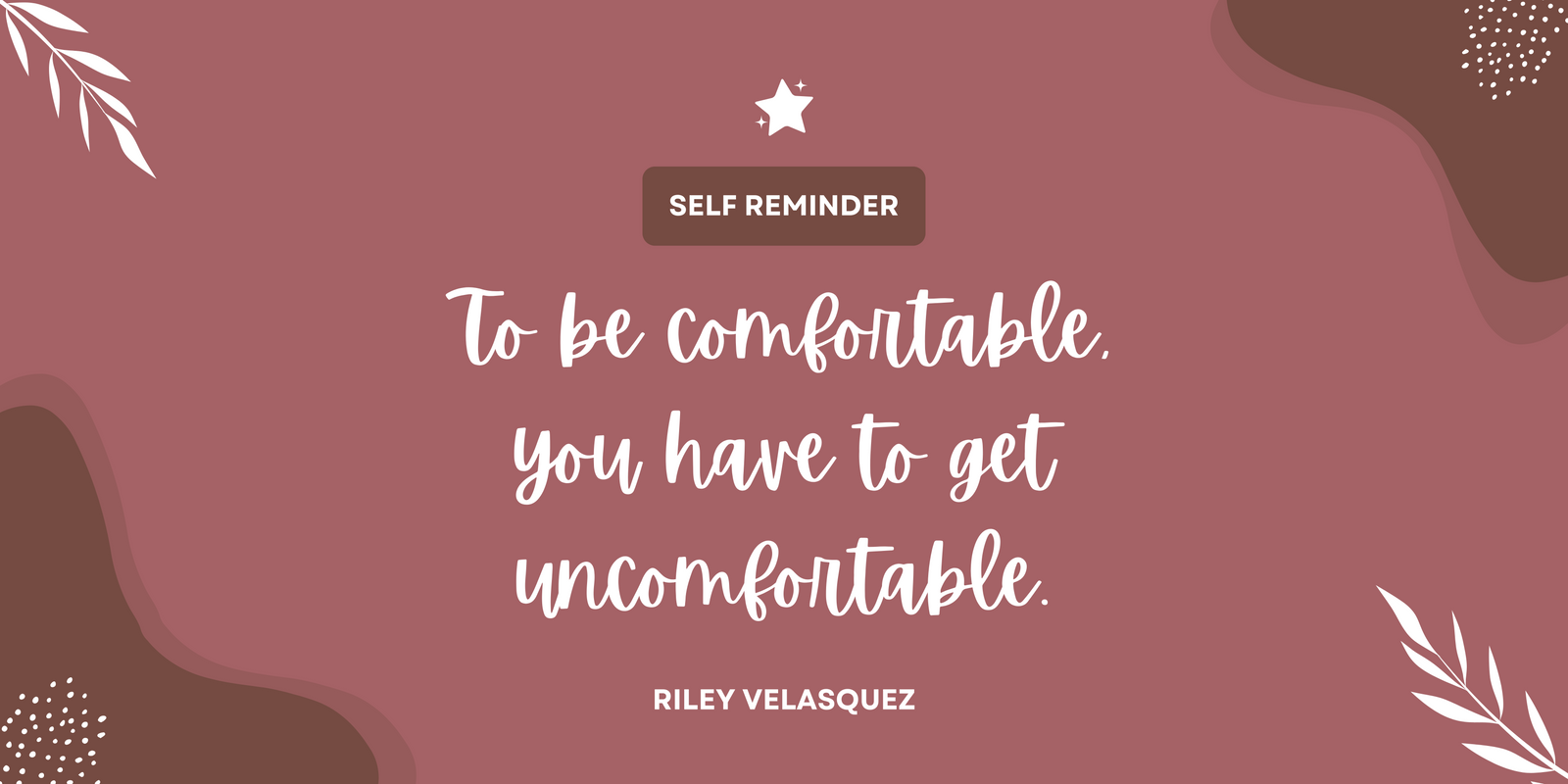
My last tip to you, starting your meditative journey is to make it comfortable and approachable. This applies to how you're sitting or lying down, your clothing, your environment, and additional props you choose to use. Meditation is a mental challenge. It's marketed to you as a pretty practice, but in reality, it can be the most humbling experience you have. But remember, we are the ones who have the power of choice. We are the ones entering the space to reflect, focus, and concentrate, so we are ultimately the ones who experience it and have the ability to leave it.
But while experiencing, we may as well come prepared to be uncomfortable. Here are some things I recommend trying:
I hope you find these tips helpful and useful in your practice. Remember, your journey is what you make of it, try it all, and let your practice evolve alongside you.
Till the next read,
Riley Velasquez
Owner & Instructor of Reunited Yoga

Riley Velasquez-Kidd | JAN 29, 2025
Share this blog post
© 2026 Reunited Yoga Studio